Checking out the Perks of Making Use Of Aluminum Castings in Modern Manufacturing
Aluminum castings have ended up being significantly appropriate in modern-day manufacturing as a result of their unique properties. The light-weight nature of aluminum makes it possible for extra elaborate styles, specifically helpful in markets like auto and aerospace. Its rust resistance extends product lifespan, while cost-effectiveness enhances production efficiency. These benefits welcome a closer evaluation of aluminum's function in numerous applications and its influence on layout versatility and sustainability in manufacturing processes.
Light-weight Features and Their Effect On Style
The lightweight buildings of aluminum castings considerably affect modern-day style methods throughout various markets. Designers and designers typically prioritize weight reduction in their jobs to enhance efficiency and efficiency. This characteristic enables for the production of complex shapes and styles that would certainly be challenging with heavier products. In markets such as automotive and aerospace, where every gram counts, aluminum castings add to fuel effectiveness and minimized discharges. Additionally, the ease of making processes like die casting enables the production of intricate geometries, causing cutting-edge product designs. The capability to balance stamina and weight makes aluminum an attractive option for suppliers looking to maximize product functionality while reducing manufacturing costs. As sectors continue to develop, the fostering of aluminum castings is most likely to expand, fostering new possibilities for layout imagination and engineering advancements. On the whole, the light-weight nature of aluminum is an essential aspect in forming contemporary production practices.
Superior Deterioration Resistance for Longevity
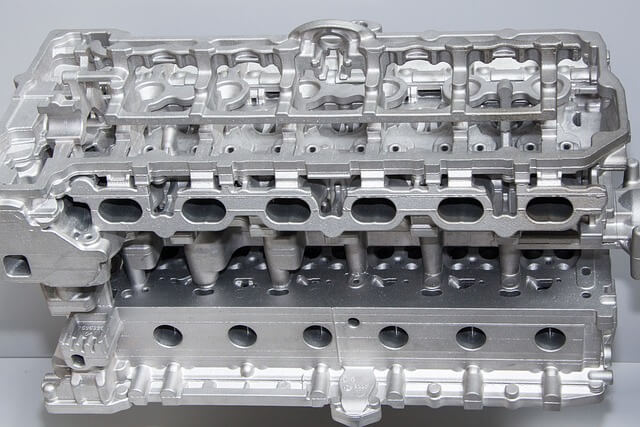
Many products endure from deterioration over time, aluminum castings stand out for their superior corrosion resistance, significantly boosting the long life of items. This resistance is mostly connected to the all-natural development of a protective oxide layer on the aluminum surface area, which hinders additional oxidation and prevents rusting. Unlike steel or iron, aluminum does not rust quickly when subjected to moisture or numerous chemicals, making it an excellent option for applications in harsh settings.
Furthermore, aluminum castings keep architectural stability over prolonged durations, lowering the need for constant substitutes. This dependability is essential in markets such as auto, aerospace, and marine, where component failure can lead to considerable security issues. By choosing aluminum castings, producers can assure that their items not only sustain the test of time however likewise do continually under difficult conditions, ultimately profiting both producers and end-users via enhanced resilience and fewer upkeep demands.
Cost-Effectiveness in Manufacturing
Cost-effectiveness in aluminum casting production is driven by numerous crucial factors. Decreased product waste adds to decrease manufacturing expenses, while fast manufacturing times improve general efficiency. These components collectively position aluminum castings as a practical choice for manufacturers looking for to optimize their operations.
Reduced Product Waste
Decreasing material waste in aluminum casting not just enhances sustainability however likewise markedly lowers manufacturing prices. Effective usage of raw products is critical in modern-day production, where minimizing waste can bring about considerable financial savings. Aluminum casting procedures enable intricate styles with exact specs, which assists to maximize material usage and minimize unwanted. Strategies such as near-net form casting better limit the quantity of scrap produced during production. In addition, the recyclability of aluminum adds to a reduction in waste, as remaining products can be melted and recycled in future applications. By embracing aluminum casting techniques, makers can achieve not only a much more eco-friendly procedure yet also a streamlined manufacturing procedure that makes best use of source performance and decreases total product costs.
Lower Production Costs

Quick Production Times
While lots of variables add to the general efficiency of producing procedures, fast manufacturing times attract attention as a significant advantage of aluminum casting. This technique enables the fast production of elements, greatly lowering lead times. The capacity to produce intricate forms with high accuracy implies that manufacturers can rapidly react to market needs and range production as required. Additionally, aluminum's desirable thermal residential properties allow quicker cooling prices, further expediting the general casting process. Consequently, shorter production cycles bring about enhanced inventory turnover and minimized functional costs. By minimizing hold-ups and enhancing throughput, aluminum casting sustains a much more active production atmosphere, eventually adding to raised competitiveness in the industry.
Design Versatility and Complicated Geometries
Aluminum castings supply impressive layout flexibility, enabling the creation of detailed geometries that would certainly be testing with various other products. This ability permits manufacturers to produce light-weight architectural remedies that enhance overall efficiency and effectiveness. Furthermore, the fast prototyping capacity of aluminum castings increases the growth procedure, facilitating technology in design.
Intricate Style Capabilities
Lightweight Architectural Solutions
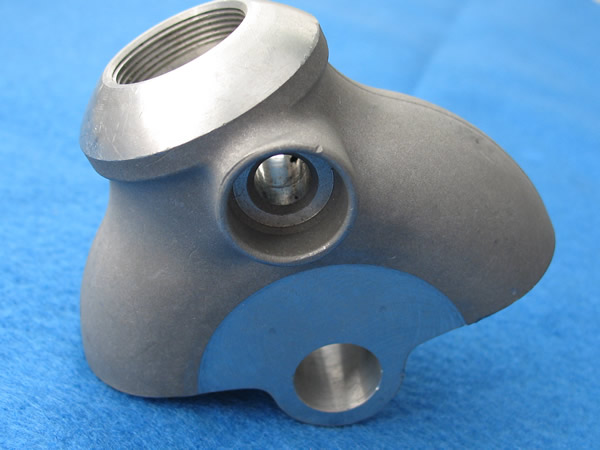
Makers increasingly take advantage of aluminum castings to deliver lightweight architectural solutions that do not endanger on toughness or sturdiness. The inherent residential or commercial properties of aluminum, including its low thickness and high strength-to-weight ratio, make it an excellent choice for applications where weight decrease is essential. This lightweight particular facilitates design flexibility, allowing designers to produce complicated geometries that traditional products might not accommodate. In addition, aluminum castings can be customized to particular performance demands, boosting capability without adding too much weight. This versatility enables the manufacturing of complex components for various markets, such as aerospace and automotive, where efficiency and efficiency are paramount. In general, aluminum castings play a vital role ahead of time contemporary production through innovative structural layouts.
Rapid Prototyping Potential
Rapid prototyping has become a game-changer in modern production, specifically when it pertains to design versatility and the ability to create complex geometries. Aluminum castings promote this advancement, enabling designers to produce intricate layouts that would be tough or difficult with conventional methods. The lightweight nature of aluminum enhances the simplicity of manipulation throughout the prototyping stage, allowing quick iterations and adjustments. Furthermore, the product's outstanding thermal conductivity and rust resistance add to the resilience of models, making them suitable for testing in real-world problems. Because of this, manufacturers can increase product growth cycles, lower expenses, and enhance advancement. Inevitably, the combination of aluminum castings right into quick prototyping processes sustains the production of advanced, high-performance components customized to specific applications.
Improved Thermal and Electrical Conductivity
While aluminum castings are renowned for their light-weight residential properties, their boosted thermal and electric conductivity likewise plays a crucial role in contemporary manufacturing. This characteristic makes aluminum a perfect selection for applications calling for reliable warmth dissipation and electric performance. For example, elements in electronic devices take advantage of aluminum's ability to effectively move warm, thereby decreasing the danger of getting too hot and extending gadget lifespan. In auto and aerospace markets, aluminum castings add to boosted thermal monitoring systems, advertising energy efficiency.
The high electrical conductivity of aluminum enables for its extensive use in electrical elements, such as connectors and bus bars. This function not just lowers power loss during transmission but additionally enhances overall efficiency. The combination of these residential or commercial properties positions aluminum castings as a recommended product in countless applications, driving advancement and effectiveness in producing processes across numerous markets.
Sustainability and Environmental Advantages
Aluminum castings supply considerable sustainability and environmental advantages, straightening with the growing focus on eco-friendly manufacturing methods. One of the key advantages of aluminum is its recyclability; as much as 95% of aluminum can be reused without losing high quality. This procedure takes in only a portion of the power required for main production, substantially decreasing greenhouse gas exhausts.
Furthermore, aluminum is light-weight, which contributes to power effectiveness in transportation and product use. Its resilience and resistance to corrosion prolong the lifespan of items, decreasing waste and the requirement for frequent substitutes. Moreover, making use of aluminum castings can bring about extra effective manufacturing procedures, as they typically need much less energy and material contrasted to traditional methods.
Applications Throughout Different Industries
As markets significantly look for functional materials Get More Info for innovative applications, aluminum castings have emerged as a popular choice throughout various industries. In the vehicle market, light-weight aluminum castings add to boosted fuel efficiency and performance, while in aerospace, they supply toughness without endangering weight, necessary for airplane design. The customer electronics field gain from aluminum's exceptional thermal conductivity, making it optimal for warmth sinks and enclosures. Furthermore, the building industry uses aluminum castings for window structures, roof covering parts, and structural components due to their longevity and resistance to deterioration. Moreover, the clinical equipment industry counts on aluminum castings for creating specific, lightweight parts that satisfy rigorous hygiene standards. These varied applications highlight the flexibility of aluminum castings, making them a favored material for makers aiming to innovate and boost product performance throughout different areas.
Regularly Asked Inquiries
How Are Aluminum Castings Produced in the Manufacturing Refine?
Aluminum castings are generated through a process including melting aluminum, putting it right into mold and mildews, and allowing it to strengthen. Aluminum Casting. This approach allows the development of intricate forms and accurate measurements needed in numerous applications
What Precaution Are Required When Dealing With Aluminum Castings?
When functioning with aluminum castings, important safety and security actions consist of wearing protective gear, guaranteeing appropriate air flow, carrying out fire security protocols, and preserving equipment to stop crashes, thereby guarding employees versus prospective threats related to the casting process.
Can Aluminum Castings Be Recycled, and Exactly how Is This Done?
Aluminum castings can without a doubt be reused efficiently. The procedure includes accumulating scrap aluminum, thawing it down in furnaces, and after that reforming it right into brand-new products, thereby conserving Our site resources and minimizing ecological influence in production.
What Are the Common Flaws in Aluminum Castings and Exactly How to Prevent Them?
Common issues in aluminum castings consist of porosity, shrinking, and surface area blemishes. To avoid these problems, correct mold and mildew layout, temperature control, and product option are vital, making certain suitable casting conditions and decreasing the likelihood of defects.
How Do Aluminum Castings Contrast to Various Other Products in Regards To Stamina?
Aluminum castings exhibit favorable strength-to-weight ratios compared to numerous materials - Aluminum Casting. While typically much less strong than steel, they outmatch plastics and supply enough toughness for various applications, making them a functional option in producing procedures